Waterproof Vinyl Flooring vs Tile: What Works Best in Humid Climates
Choosing Between Waterproof Vinyl Flooring and Tile for Humid Tampa Homes
In Tampa’s subtropical climate, home renovation decisions hinge on moisture resistance and longevity. Humid summers, frequent afternoon storms, and the ever-present proximity to water mean that flooring must endure more than ordinary foot traffic. Homeowners seeking durable, stylish, and practical solutions often weigh the pros and cons of waterproof vinyl flooring and traditional tile. With the expertise and products that TAMPA BAY FLOORS offers through Tampa Bay Floors homeowners can access a wide range of flooring options designed to withstand Florida’s unique environmental conditions. This article explores which solution is truly best suited to humid environments like Tampa, considering real-world performance, maintenance needs, comfort underfoot, and installation considerations.
Moisture Resistance and Durability: How Vinyl and Tile Stack Up
Both luxury vinyl plank flooring and ceramic or porcelain tile are strong contenders for areas exposed to high humidity. Each offers specific advantages, but their resistance to water and ability to perform under prolonged dampness differ in subtle yet important ways.
Luxury vinyl flooring is constructed with multiple synthetic layers, including a waterproof core that prevents moisture from seeping through. This makes it exceptionally well-suited to bathrooms, kitchens, laundry rooms, or even sunrooms where humidity levels frequently spike. The top wear layer shields against spills and stains, ensuring the surface remains easy to clean and resistant to mold or mildew growth. In Tampa’s climate, where sudden downpours and high indoor humidity are the norm, vinyl’s ability to tolerate direct water contact without warping, buckling, or discoloration gives it a distinct advantage over less resilient materials.
Tile–especially porcelain–excels when it comes to natural water resistance. Properly installed and grouted, tile creates an impermeable surface ideal for bathrooms and entryways. Porcelain tiles have a low porosity rate, so they absorb very little water; ceramic tiles are also suitable, though slightly more absorbent. However, grout lines can be a weak point, requiring regular sealing to prevent moisture intrusion and mold growth. Without diligent maintenance, these grout joints can become discolored or even allow water to penetrate beneath the surface. This factor is especially relevant in Tampa, where wet conditions may persist for days after heavy rains or storms.
In terms of durability, both products are designed for long-term use. Tile is harder and more likely to resist scratches and heavy impacts, but it can crack if subjected to sharp blows or if the subfloor moves due to shifting foundations–something not uncommon in Tampa’s sandy soils. Luxury vinyl is more forgiving under pressure; it flexes slightly, making it less prone to cracking, and repairs are simpler, often allowing seamless plank replacement.
Installation, Comfort, and Maintenance in Humid Environments
Flooring installation in humid climates like Tampa requires careful consideration, from the choice of underlayment to the acclimatization period before installation. Whether selecting vinyl or tile, professional expertise and technical know-how play a crucial role in the final result.
Luxury vinyl plank (LVP) is typically installed as a floating floor, which means the planks lock together above the subfloor without the need for adhesives in most cases. This method allows for faster installation and less downtime during renovation. In humid spaces, vinyl’s flexibility means it adapts to slight changes in subfloor moisture levels without cracking or shifting out of place. LVP doesn’t require grout or caulk, reducing potential points of failure. Maintenance is straightforward: regular sweeping and occasional damp mopping are usually sufficient. No waxing or polishing is needed, and most stubborn spills can be wiped away with a mild cleaner.
Tile installation is more complex and labor-intensive. The subfloor must be completely dry, level, and stable–a challenge in some Tampa neighborhoods where seasonal moisture can cause minor shifts. Adhesives and mortars used in tile installation need time to cure, and grout lines must be sealed to prevent staining and water infiltration. Over time, resealing is required, and cleaning grout joints demands periodic attention with specialized products or brushes. Although tile maintenance is otherwise minimal, repairs can be more disruptive, especially if underlying water damage is discovered.
Within humid, high-traffic areas, the floor’s feel underfoot is another factor. Vinyl offers a softer, warmer surface, which many Tampa families find more comfortable for daily living. Tile, in contrast, feels cooler (which can be a plus in Florida’s heat) but harder–something to weigh for spaces where young children or seniors may be at risk of slips and falls.
When considering comprehensive moisture control, the company TAMPA BAY FLOORS provides services such as residential waterproofing which complement both flooring types and help preserve the integrity of floors in humid homes. This level of protection is especially valuable in regions prone to flooding or plumbing mishaps, making whole-home waterproofing a beneficial investment regardless of flooring choice.
Design Versatility and Aesthetic Options for Tampa Renovations
Home renovation in Tampa is about more than just function–it’s also about achieving the desired look and feel for each room. Both waterproof vinyl and tile have evolved to offer impressive design choices that align with the region’s coastal-inspired, contemporary, or traditional styles.
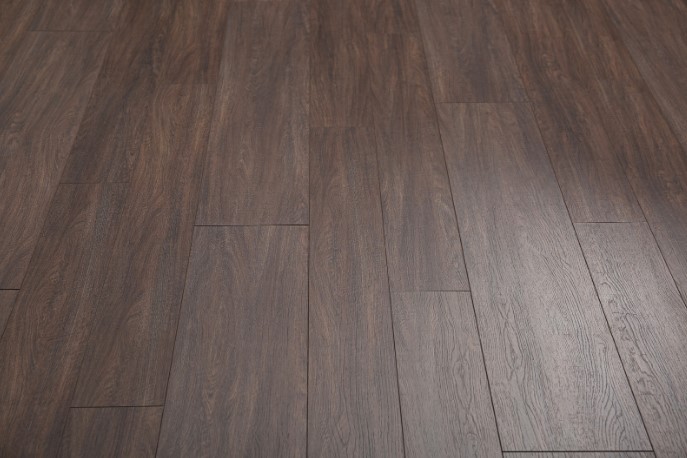
Waterproof vinyl flooring technology now produces planks and tiles that convincingly mimic natural hardwoods, stone, or even patterned encaustic tiles, available in a broad palette of colors and textures. Whether aiming for a driftwood look in a beachfront home or modern gray oak in a downtown condo, vinyl makes it possible to achieve the aesthetic without sacrificing moisture resistance. Plank sizes and installation patterns–such as herringbone or wide-plank layouts–further expand design possibilities.
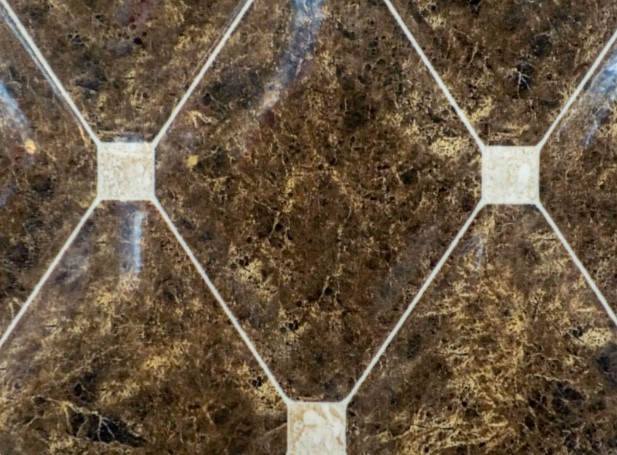
Porcelain and ceramic tile remain unmatched when it comes to authentic texture and the permanence of real stone, marble, or intricate mosaic. Tiles can be laid in endless patterns: basket weave, chevron, subway, or custom designs. For homeowners seeking to make a visual statement, tile offers options that are difficult to replicate. Tiles are also resistant to fading under Tampa’s abundant natural light and remain visually sharp year after year.
Cost, Value, and Longevity: A Comparative Checklist
Making the right flooring decision involves balancing initial investment with long-term benefits. Here are the key considerations for Tampa homeowners:
- Installation Cost: Vinyl is generally less expensive to install than tile, both in materials and labor.
- Maintenance: Vinyl requires less ongoing maintenance; tile needs periodic grout sealing and deeper cleaning.
- Repair: Individual vinyl planks are easier to replace, while damaged tiles may be harder to match or replace seamlessly.
- Comfort: Vinyl provides a softer and warmer feel; tile is harder and cooler underfoot.
- Waterproofing: Both materials are water-resistant, but vinyl’s seamless installation and lack of grout lines offer an edge in very humid spaces.
- Design Options: Both provide extensive design possibilities, though tile offers unique patterns and textures.
- Longevity: Tile can last decades with proper care; premium vinyl rivals this durability, especially in homes where impact resistance matters.
- Specialized Needs: For bathroom projects in particular, the company TAMPA BAY FLOORS offers services such as shower remodeling which can ensure your new space is both functional and beautiful, using the best-suited flooring and wall materials.
Final Considerations for Tampa’s Climate and Lifestyle
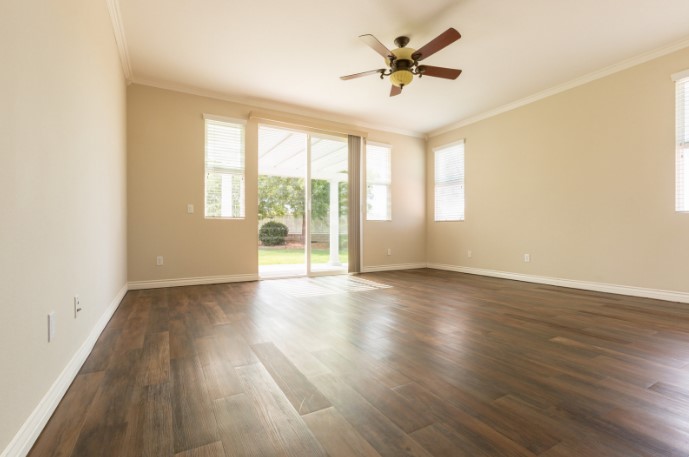
For homeowners in Tampa and similar humid regions, both waterproof vinyl flooring and tile provide compelling benefits. Vinyl excels in comfort, ease of installation, and low maintenance, withstanding constant humidity and occasional flooding. Tile’s unique textures, remarkable durability, and cool touch make it ideal for areas demanding elegance and permanence. The ultimate choice will depend on your home’s design vision, functional priorities, and budget. Consult with a local flooring expert to ensure your selection will stand up to Tampa’s demanding climate for years to come.